

In the remote reaches of northern Brazil, the Xingu River hosts one of the most ambitious hydropower developments of modern times. The Belo Monte hydroelectric plant, with an installed capacity exceeding 11GW, is not only a cornerstone of the country’s energy mix but also a case study in how large-scale dams are evolving to meet increasingly stringent safety expectations.
While debates around Belo Monte have often centred on environmental and social impacts, less visible – but equally critical – are the systems designed to protect workers and downstream communities. Among these, acoustic warning systems have emerged as a vital layer of defence.
Communication under pressure
At facilities of this scale, the margin for error is minimal. Controlled water releases, sudden operational incidents, or extreme weather events demand immediate, clear communication. Acoustic warning systems provide that crucial link, enabling operators to issue real-time alerts across vast and often inaccessible terrain.
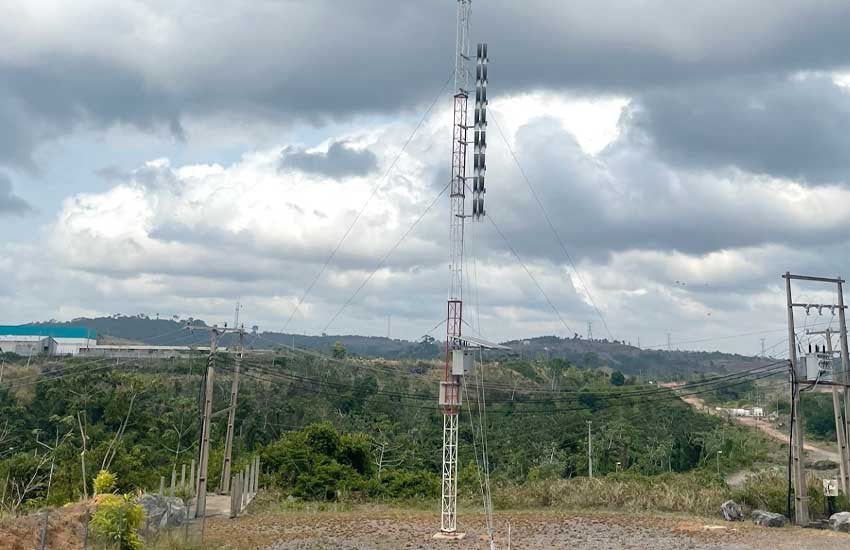
At Belo Monte, a network of 42 electronic sirens – split between compact and long-range units – has been deployed to deliver both targeted and wide-area coverage. Managed through a centralised control platform with built-in redundancy, the system ensures that warnings can be issued even in the event of partial system failure. Beyond simple alarm tones, the system supports live voice announcements, remote configuration, and continuous diagnostics. These features allow operators to adapt messaging instantly while maintaining full visibility over system performance – an essential capability in high-risk environments.
From technology to preparedness
What sets Belo Monte apart is not just the technology itself, but how it is embedded within broader safety frameworks. The acoustic system is fully integrated into both the dam’s Safety Plan and its Emergency Action Plan, developed in coordination with local authorities and emergency services. Routine drills, featuring siren activations, evacuation procedures, and multi-agency coordination, ensure that the system functions as intended and that communities understand how to respond. This combination of infrastructure and training transforms a technical solution into a practical tool for risk reduction.
The lessons are clear. Effective dam safety today depends not only on robust engineering but also on reliable, intelligent communication systems. By combining acoustic coverage, digital monitoring, and operational redundancy, projects like Belo Monte demonstrate how hydropower operators can enhance resilience in an era of growing climatic and operational uncertainty. As global investment in water power and dam construction continues, such integrated approaches are likely to become the industry standard, ensuring that when it matters most, the alarm is heard loud and clear.
Information supplied by Telegrafia


