

A wave of refurbishment and modernisation activity is reshaping hydropower infrastructure across the globe, as operators and utilities prioritise asset longevity, operational flexibility and environmental performance. From Europe to Asia-Pacific and the Americas, a diverse portfolio of projects, ranging from turbine overhauls and automation upgrades to ecological enhancements and full-scale redevelopment, demonstrates a shared industry focus: extracting greater value from existing assets while aligning with evolving energy system demands.
Across mature hydropower fleets, many facilities now exceed 40, 50 or even 60 years of operation. This ageing profile is particularly evident in Europe and North America, where large-scale hydropower development peaked in the mid-20th century. As a result, refurbishment has become a critical strategy not only for maintaining generation capacity but also for improving efficiency, safety and sustainability. Increasingly, these programmes are being designed to deliver multi-layered outcomes, combining mechanical renewal, digital optimisation and environmental compliance within a single investment cycle. At the same time, operators are under pressure to ensure that hydropower assets remain compatible with modern electricity systems characterised by variable renewable generation. This has elevated the importance of flexibility, responsiveness and reliability, qualities that refurbishment projects are now specifically targeting through advanced control systems, upgraded turbine technologies and improved grid integration capabilities. In many cases, refurbishment is also proving more cost-effective and faster to deliver than new-build projects, particularly where permitting and environmental constraints are significant.
Nordic modernisation momentum
Northern Europe continues to lead in structured, long-term refurbishment strategies, with Finland and Norway providing clear examples of how operators are modernising ageing fleets while integrating environmental improvements. At the Tyrväntö hydropower plant, UPM-Kymmene Oyj, through UPM Energy, is investing more than €20m in a comprehensive upgrade programme that addresses both performance and sustainability objectives.
The scope of works includes the complete overhaul of turbine-generator units, installation of new generator stators and refurbishment of rotors, as well as replacement of turbine runner wheels. These upgrades are designed to enhance operational flexibility, enabling the plant to respond more effectively to fluctuations in electricity demand. At the same time, the introduction of water-lubricated turbine runners represents a significant environmental improvement, reducing the risk of oil leakage into surrounding waterways.
Digitalisation is another cornerstone of the project. The integration of advanced automation and control systems will allow for improved monitoring, predictive maintenance and optimisation of plant performance. This reflects a broader trend across the hydropower sector, where digital tools are increasingly being deployed to maximise efficiency and reduce operational risks. In addition, the installation of emergency automation systems to strengthen dam safety highlights how refurbishment programmes are expanding beyond generation equipment to encompass the entire asset ecosystem.
Elsewhere in Finland, PVO-Vesivoima Oy, part of the Pohjolan Voima Group, has completed a detailed two-phase refurbishment of the Melo hydropower plant. Delivered in collaboration with Andritz Hydro Oy and Caverion Suomi, the project involved dismantling, workshop refurbishment and reinstallation of key turbine components. The phased execution allowed one unit to remain operational while the other was under refurbishment, minimising generation losses and maintaining grid stability. Lessons learned during the first phase were applied to the second, improving efficiency and execution timelines. Such iterative approaches are becoming increasingly common in refurbishment projects, enabling continuous improvement and knowledge transfer. The project also demonstrated the value of local supply chains and expertise, with domestic contractors playing a central role in delivery.
In Norway, refurbishment is evolving into strategic redevelopment. Norconsult is supporting Tussa Energi AS in the development of the Tussa II project, which will replace an ageing facility with a significantly larger and more efficient plant. By increasing installed capacity from 60MW to 150MW, the project demonstrates how refurbishment can serve as a catalyst for capacity expansion while addressing long-term maintenance challenges. The scheme also reflects growing demand for higher-capacity, flexible assets capable of supporting increasingly renewable-heavy grids.
Central and Western Europe upgrades
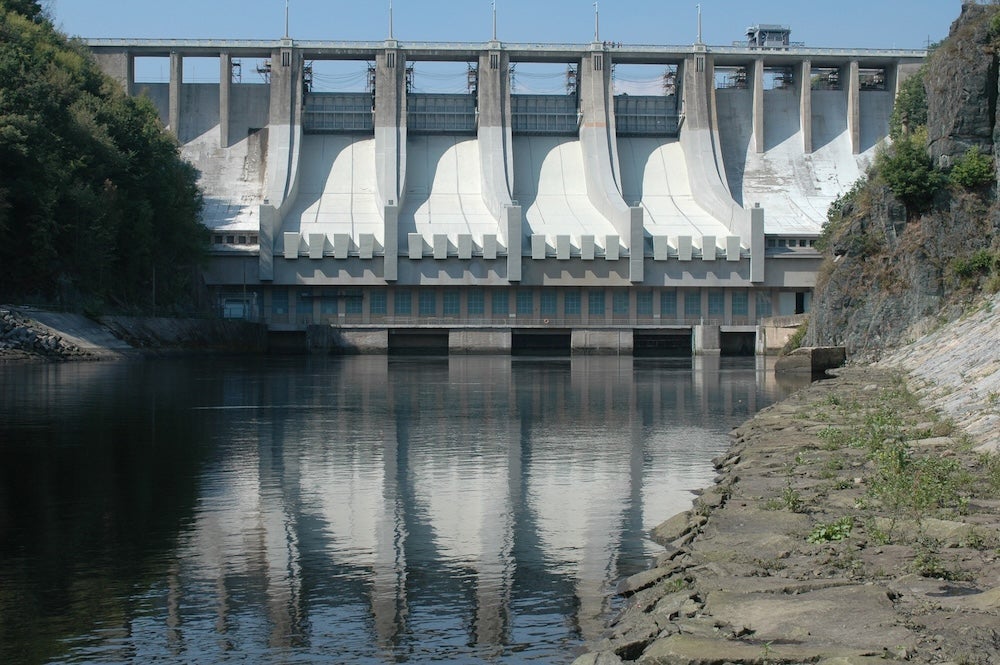
In Central Europe, refurbishment efforts are focused on ensuring the continued reliability of critical infrastructure while enhancing performance. At the Slapy hydropower plant, CEZ Group has completed a major modernisation programme that included the replacement of a 45-ton inlet valve, a component that had been in continuous operation for decades.
The complexity of the installation, carried out deep within the plant’s structure, underscores the engineering challenges associated with upgrading ageing assets. However, the benefits are substantial: improved safety, enhanced efficiency and an extended operational lifespan. The project forms part of a broader programme targeting multiple plants within the Vltava cascade, highlighting a system-wide approach to refurbishment that maximises returns across interconnected assets.
In the Netherlands, refurbishment is closely linked to environmental restoration. Authorities including the Municipality of Oss are implementing upgrades to fish ladders along the Meuse River, addressing the ecological impact of water infrastructure. At Lith weir, the construction of an additional fish passage will improve accessibility for migrating species, particularly under variable flow conditions.
These initiatives illustrate how hydropower refurbishment is increasingly being shaped by environmental regulations and sustainability goals. By integrating ecological enhancements into infrastructure upgrades, operators are contributing to broader efforts to restore river ecosystems while maintaining essential water management functions. Such projects also demonstrate how relatively small interventions can deliver significant ecological benefits when implemented at scale.
Asia’s capacity and reliability drive
In Asia, refurbishment programmes are playing a key role in meeting growing energy demand while maximising the output of existing assets. In Pakistan, the Water and Power Development Authority is leading an extensive refurbishment of the Mangla hydropower station, one of the country’s most important energy assets.
Supported by international financing from organisations such as the United States Agency for International Development and Agence Française de Développement, the project aims to increase installed capacity by more than 30%. By refurbishing generating units in stages, WAPDA is able to maintain continuous operation, ensuring that electricity supply is not disrupted during the upgrade process. The project also reflects a broader strategy to enhance hydropower’s contribution to Pakistan’s energy mix, reducing reliance on imported fuels and improving energy security. Increased annual generation will provide significant economic and environmental benefits, reinforcing the value of refurbishment as a cost-effective alternative to new construction. Importantly, the approach taken at Mangla demonstrates how large, complex facilities can be upgraded without full shutdown, an increasingly important consideration in power systems with limited reserve capacity.
In India, the modernisation of the Umiam–Umtru Stage III hydropower plant is being carried out for Meghalaya Power Generation Corporation Limited by ANDRITZ Hydro. The project involves the installation of advanced electromechanical components, including a large generator stator and upgraded valve systems.
The logistical challenges of working in a remote and constrained site have required innovative solutions, including the use of heavy-lift cranes and pre-assembled components. These efforts highlight the importance of careful planning and engineering expertise in delivering successful refurbishment projects in challenging environments. More broadly, the project reflects a growing emphasis in India on optimising existing hydropower assets to complement expanding renewable capacity.
Americas: longevity and digital transformation
In North America, refurbishment is increasingly focused on integrating digital technologies to enhance asset performance. The New York Power Authority has partnered with ANDRITZ to upgrade the Niagara power project, including the installation of new generator stators at the Robert Moses Power Plant.
This long-term programme aims to modernise one of the largest hydropower facilities in the US, ensuring its continued contribution to renewable energy generation. By incorporating advanced monitoring and control systems, the project will enable more efficient operation and improved maintenance planning, reducing downtime and extending asset life. The scale and duration of the programme underline the complexity of upgrading large hydropower assets while maintaining continuous operation.
In Brazil, AXIA Energia is undertaking a similar transformation at the Itumbiara hydropower plant, also in collaboration with ANDRITZ. The replacement of automation systems and turbine controls will enhance operational reliability while addressing the challenges of ageing equipment. Increasingly, such upgrades are also incorporating cybersecurity features, reflecting the growing importance of protecting critical energy infrastructure. Canada’s experience at the Taltson hydro facility underscores the importance of maintenance and repair in sustaining operations. The Northwest Territories Power Corporation, supported by Gygax Engineering Associates Ltd. and owned by NT Hydro under the Government of the Northwest Territories, successfully restored the plant following extensive repairs to a corroded surge tank.
The project highlights the challenges of maintaining ageing infrastructure in remote regions, where outages can have significant impacts on local communities. By investing in refurbishment, operators can ensure continued access to reliable and affordable electricity while reducing dependence on more expensive and carbon-intensive alternatives such as diesel generation.
Asia-Pacific rehabilitation programmes
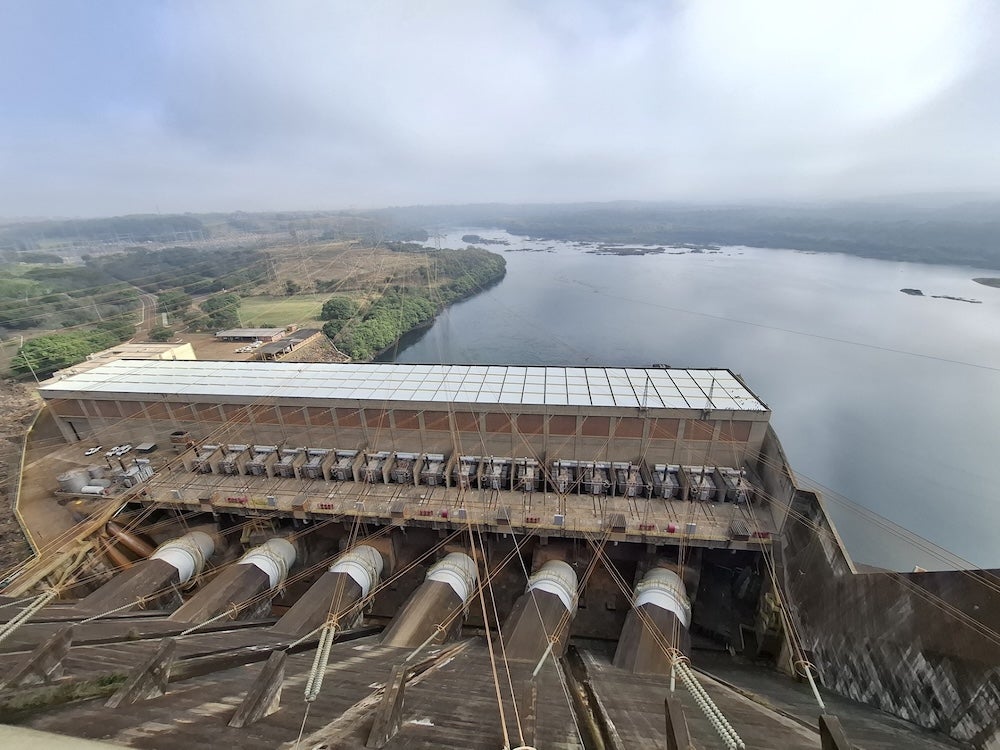
In New Zealand, Mercury is implementing a long-term refurbishment programme across its Waikato River hydro system. The upgrade of the Maraetai II Hydro Station, delivered with support from ANDRITZ, involves refurbishing turbines, generators and intake gates across multiple units.
The project is designed to extend the plant’s operational life by 20 years while improving reliability and efficiency. By carrying out the works in stages, Mercury can maintain generation throughout the refurbishment process, ensuring that the plant continues to contribute to New Zealand’s renewable energy supply. The programme also reflects a strong emphasis on environmental stewardship, with efforts to ensure that operations remain aligned with the natural characteristics of the river system.
Cascade and system-wide upgrades
In Southeast Europe, large-scale refurbishment programmes are being implemented at the system level. In Serbia, Energotehnika Južna Bačka, working with Elektroprivreda Srbije and ANDRITZ, is modernising the Vlasinske hydropower cascade.
Supported by financing from the European Bank for Reconstruction and Development, the project includes the installation of new turbines and associated equipment across multiple plants. By executing the works in phases, operators can maintain electricity production while implementing significant upgrades, ensuring a smooth transition to improved performance. These cascade-wide programmes also allow for standardisation of equipment and processes, improving long-term maintenance efficiency.
UK pumped storage renewal
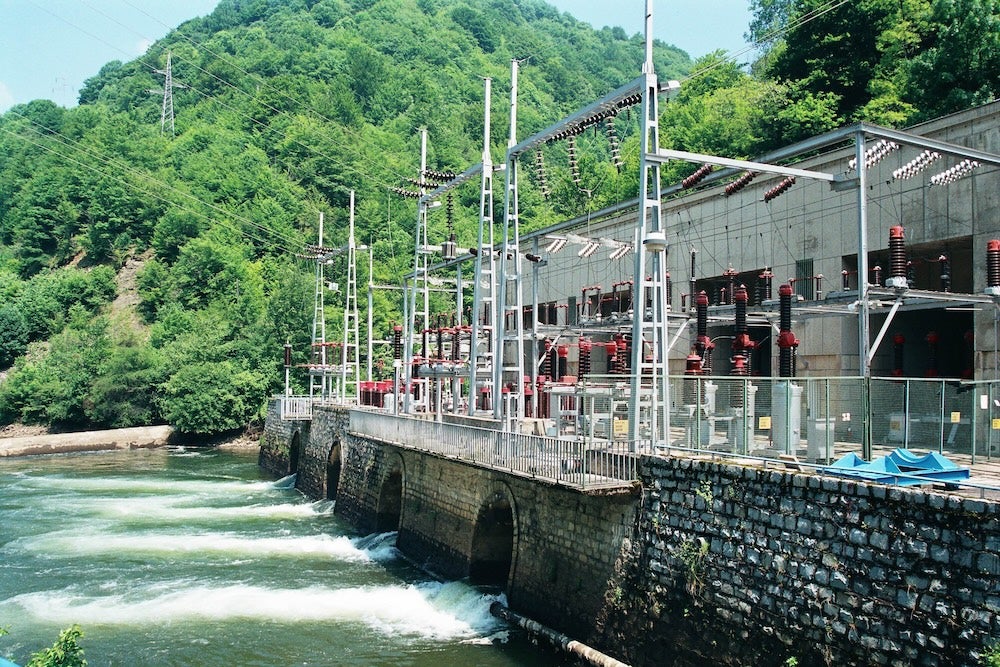
In the UK, the refurbishment of the Dinorwig pumped storage power plant represents a major investment in grid stability. Operated by First Hydro Company and owned by ENGIE and Caisse de dépôt et placement du Québec, the facility is undergoing a multi-stage upgrade supported by Tractebel.
The refurbishment will replace key electrical and mechanical components, improving efficiency and extending the plant’s operational life. Given Dinorwig’s role in balancing the UK grid, the project is critical to ensuring the continued reliability of the country’s energy system. Pumped storage assets such as Dinorwig are becoming increasingly valuable as more intermittent renewable energy sources are integrated into the grid.
Bridging performance and sustainability
Across all regions, refurbishment projects are increasingly focused on delivering both performance improvements and environmental benefits. From advanced turbine technologies and digital control systems to ecological restoration measures, these initiatives reflect a broader transformation within the hydropower sector. Operators are no longer simply maintaining assets, they are actively enhancing them to meet future requirements.
Collaboration between utilities, engineering firms, financial institutions and public authorities is central to this transformation. By combining expertise and resources, stakeholders can deliver complex projects that address technical, environmental and economic challenges simultaneously. This collaborative model is likely to become even more important as refurbishment programmes grow in scale and complexity.
As the global energy transition accelerates, hydropower refurbishment will play an increasingly important role in maintaining and enhancing renewable generation capacity. Ageing infrastructure, evolving environmental standards and the need for flexible, reliable power all point to continued investment in modernisation. The projects highlighted here demonstrate that refurbishment is not simply about maintaining existing assets, it is about reimagining them for the future. By embracing innovation, digitalisation and sustainability, the hydropower sector is ensuring that its legacy infrastructure remains a vital component of low-carbon energy systems worldwide.


