

A new runner, a refurbished shaft or an upgraded control system may attract less attention than a new dam, but these investments can shape a hydropower station’s contribution for decades. Across the projects featured in International Water Power & Dam Construction’s recent coverage, owners are pursuing additional capacity, longer operating life and equipment better suited to changing electricity markets.
Global Hydropower Day on 11 October offers an opportunity to revisit that work. The five projects below show the breadth of modernisation, from renewing individual units at a century-old Canadian station to replacing major equipment at one of the UK’s most important pumped storage facilities.
Their objectives differ, but they raise a common engineering question: how can new equipment and operating capabilities be integrated into infrastructure built for an earlier generation of requirements?
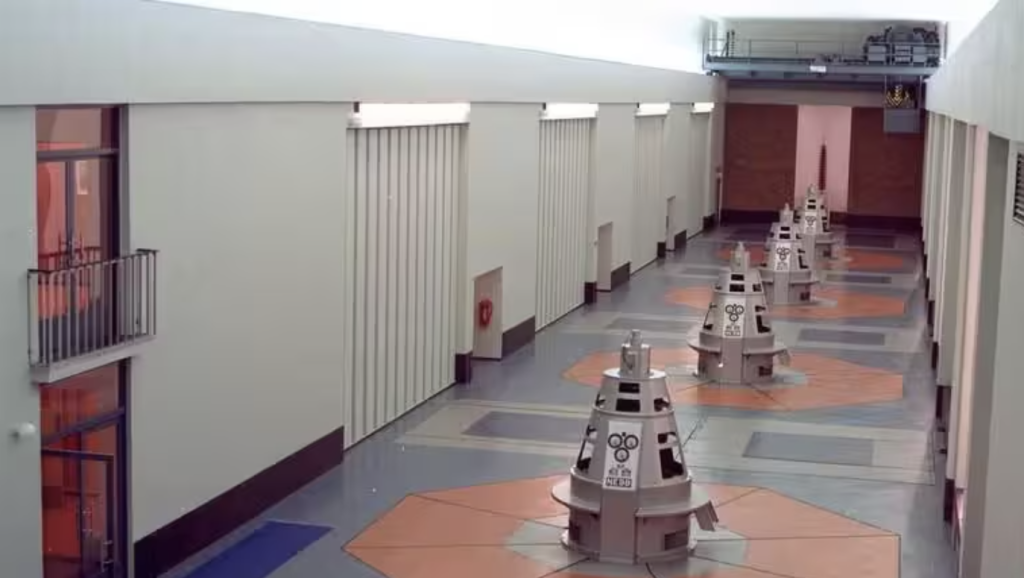
Nes increases capacity in Norway
At Nes Power Station in Buskerud, Norway, Hafslund Kraft’s modernisation programme combines mechanical renewal with digital support for operations.
Aker Solutions announced its contract on 8 October 2026. The 332MW station generates approximately 1.5TWh annually, and the programme is intended to add around 80MW of capacity and 37GWh of annual production while extending operational life and improving reliability.
The scope covers the non-embedded turbine components of four 83MW Francis units, governor control upgrades and rehabilitation of the main inlet valves. Aker Solutions will also deliver a digital twin to support operational optimisation and help enable the capacity increase using the existing headrace tunnel, which is more than 30km long.
Work has started, with final delivery scheduled for 2032.
Nes illustrates the distinction between increasing installed capacity and increasing annual generation. Its planned gains also highlight the importance of considering the hydraulic system alongside individual machines: the upgrade must deliver its intended performance within the existing waterway infrastructure.
Dinorwig renews its rapid-response capability
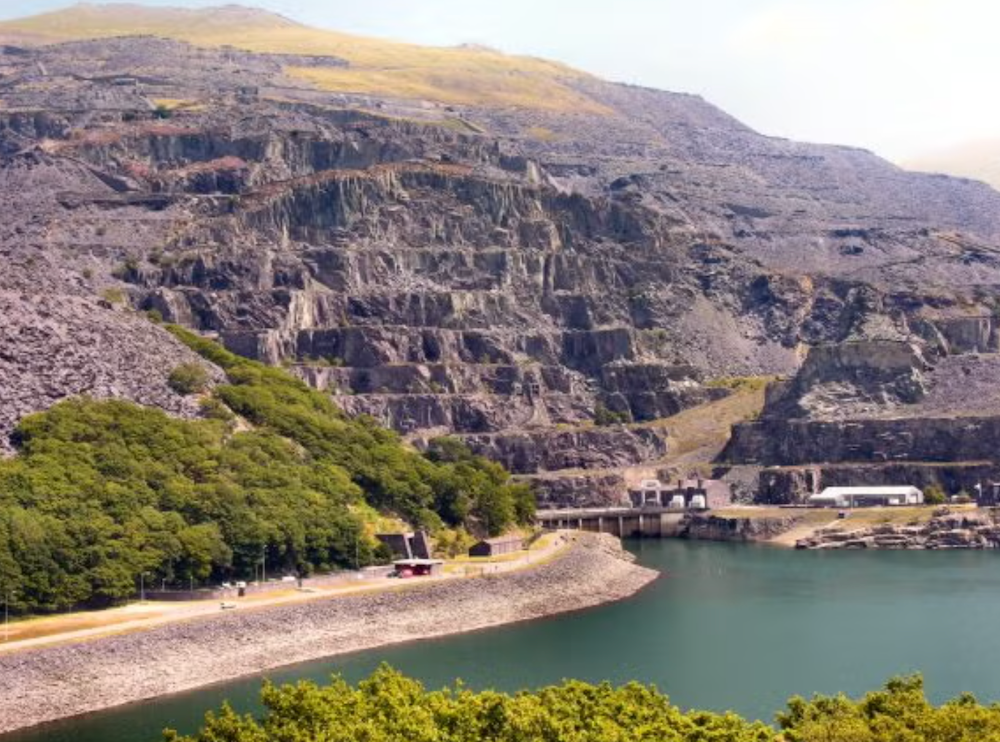
In North Wales, UK, refurbishment at Dinorwig is focused on sustaining the capabilities of an established pumped storage asset.
First Hydro Company, the joint venture owned by ENGIE and La Caisse, selected GE Vernova in July 2026 to replace two 315MW units. The wider programme covers key components across all six generating units and infrastructure upgrades, with an expected plant life extension of at least 25 years.
GE Vernova’s scope includes motor generators and pump turbines, refurbishment of embedded components including the spiral case, stay ring and draft tube, and upgrades to station controls and electrical supply systems. Model test validation has been completed at its Grenoble laboratory.
The two replacement units are expected to be in place by the end of the decade. Dinorwig, now more than 40 years old, can deliver up to 1,320MW within 12 seconds from standby.
For this project, the value of renewal extends beyond equipment life. Maintaining availability and rapid response preserves a service on which the electricity system already depends.
Poatina tackles machines and waterways
At the 360MW Poatina Power Station in Tasmania, Australia, refurbishment encompasses both generating equipment and the infrastructure carrying water to it.
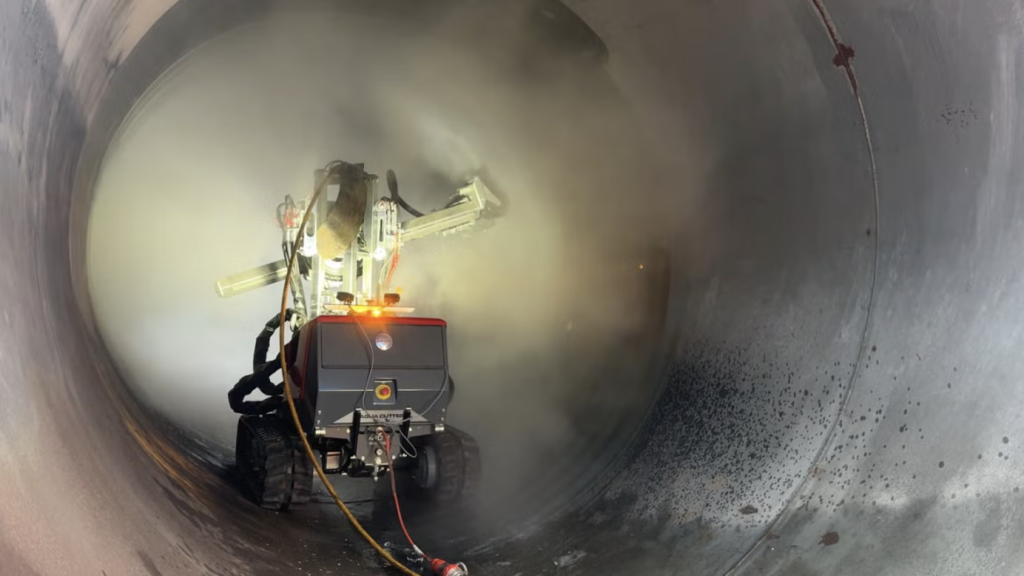
Hydro Tasmania reported in October that the station had returned to service following one of its largest planned outages in recent years. Work included the first stage of recoating the 1.8km penstock and 5.6km headrace tunnel. A robot removed old coatings before crews applied protective paint, with the penstock work split into stages to align with irrigation seasons.
Alongside this work, an A$200m programme is renewing all six turbines. The first turbine upgrade was completed earlier in 2026, while the second is expected to be completed in April 2027.
The turbine programme includes electrical and mechanical refurbishment, new Pelton equipment and upgraded controls. Hydro Tasmania says the new runners will use less water for the same energy output and are expected to operate for about 20 years without heavy maintenance.
Poatina demonstrates why refurbishment planning must account for the whole station. Machinery improvements sit alongside waterway protection, while the works schedule must accommodate other water users.
Cameron Falls extends a long operating history
On Canada’s Nipigon River, northeast of Thunder Bay, Ontario Power Generation is investing in a station whose history stretches back more than a century.
Cameron Falls’ first six units entered service in 1920, followed by G7 in 1958. The current G7 refurbishment includes a new turbine runner, rehabilitation of the existing shaft and improvements to instrumentation and monitoring.
In its September update, OPG said reassembly had begun during the summer and the unit remained on schedule to return to service in winter 2026–27. The work is expected to extend its operating life by approximately 25 years.
Cameron Falls also forms part of a broader fleet strategy. OPG reports that refurbishment has added approximately 140MW to its hydropower fleet over six years. Over the next 20 years, it plans to refurbish about 70% of that fleet, covering around 50 stations.
The project shows how targeted renewal can support continued operation at an ageing site. It also places individual unit work within the longer task of planning investment across an entire fleet.
Tyrvää combines flexibility and environmental improvements
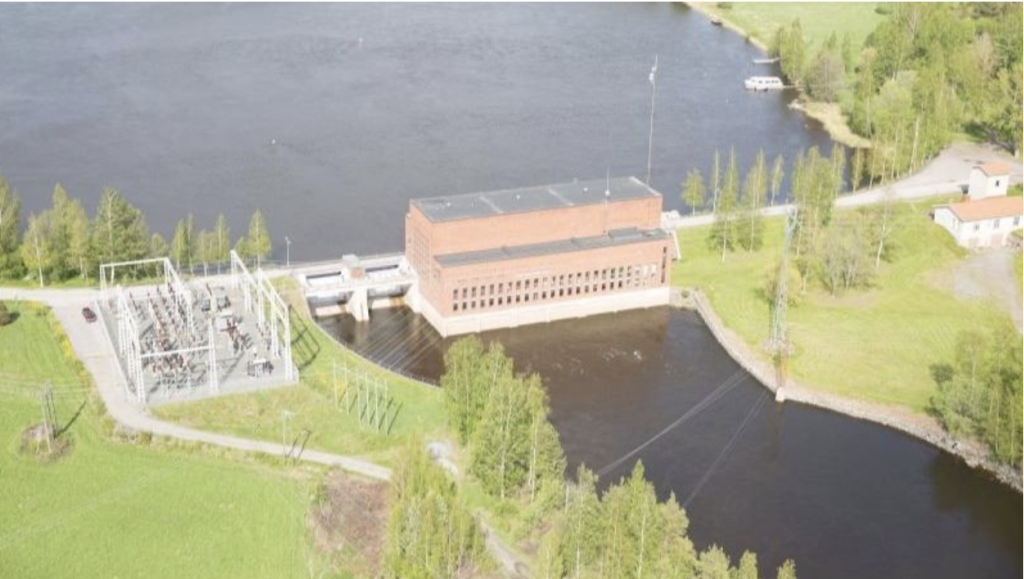
In Finland’s Pirkanmaa region, UPM Energy is investing more than €20m in modernising the Tyrvää hydropower plant, with completion expected by the end of 2030.
Both turbine-generator units will be refurbished. The programme includes new generator stators, rotor overhauls and replacement of oil-lubricated turbine runners with water-lubricated designs. UPM says the change will reduce environmental risks.
Modern automation, control systems and turbine controllers will also be installed. A new emergency automation system is intended to improve dam safety, while digital systems will support optimisation, operation and maintenance.
UPM identifies improved balancing capability as another objective, linking the investment to the Finnish electricity system’s growing need for flexibility.
Tyrvää brings several refurbishment priorities into one programme. Mechanical and electrical renewal is being used to improve operating capability while addressing environmental risk and safety. It demonstrates the opportunity to assess these requirements together when defining the scope of a major upgrade.
Preparing for the next operating chapter
These projects provide different measures of refurbishment’s value. At Nes, additional capacity and generation are explicit targets. At Dinorwig, continued rapid response is central. Poatina combines waterway renewal with machinery improvements, Cameron Falls seeks another 25 years from an individual unit, and Tyrvää links flexibility with environmental and safety upgrades.
Taken together, they suggest that the success of modernisation should be assessed against the service required from each asset. Additional megawatts matter, but so do availability, maintenance requirements, controllability and continued dependable operation.
For Global Hydropower Day, the existing fleet deserves attention as a continuing engineering endeavour. Its next operating chapter is being shaped by the work now taking place inside powerhouses, along waterways and within control systems.


