

Dam safety may have improved quite drastically over the last century, but hundreds of people still drown at hydraulic structures globally, every year.
Writing in Water Resources Management, Brian Cookson and Daniel Valero argue that, in the UK and US, such drownings in a single year have caused as many deaths as dam failures over the past 200 years. They describe this as ‘a risk perception gap and a neglected class of infrastructure risk’. While robust dam safety programmes have been developed over the last century to prevent catastrophic failures, the authors argue that these drowning risks are not assessed in the same way.
The US has recorded an average of around 24 dam failures a year since 1980, across a stock of approximately 92,000 large and small dams. Yet only 3.9% of failures over the past 170 years have resulted in fatalities. Most of the approximately 3500 deaths were concentrated in a handful of incidents during the past century. More recent figures show that dam failures have caused 22 deaths in the US since 1985, while the UK has recorded none since 1925.
Fatal incidents at dams, however, extend beyond structural failure. According to the Association of State Dam Safety Officials (ASDSO), 151 people died at dams in the US between 2019 and 2022. Around 91% of drownings and other dam-related deaths occur during the warmer months from April to August, with swimming, boating and fishing accounting for more than 75% of incidents.
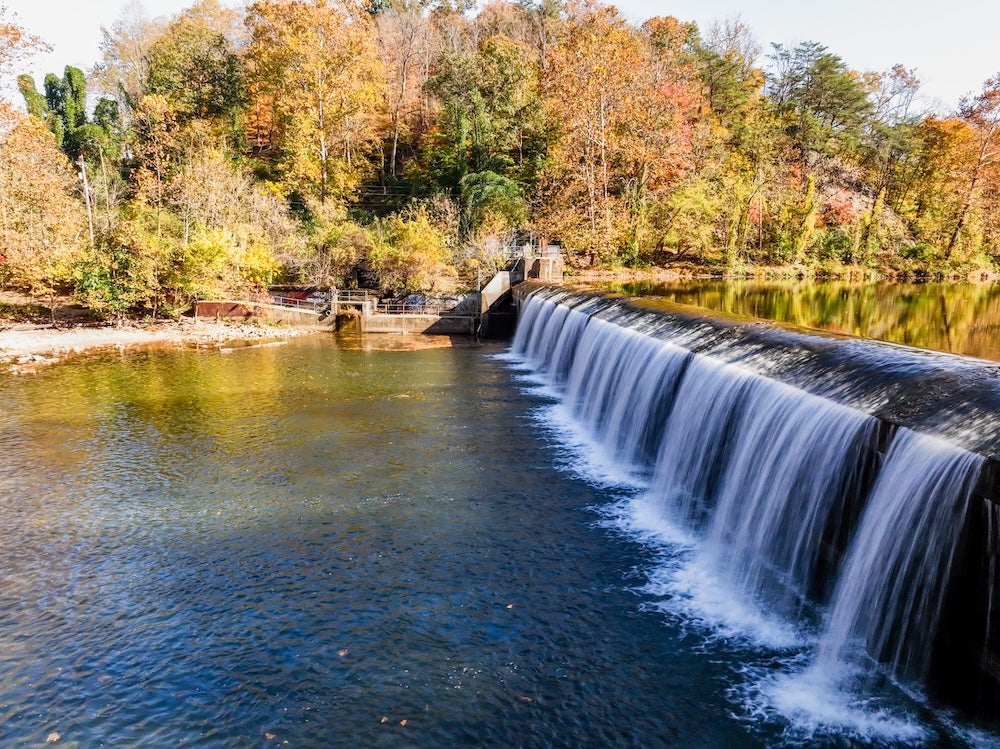
Low head dams present a particular concern. A group of non-profit organisations has designated April as Low Head Dam Awareness Month to highlight the dangers associated with more than 13,500 of these structures across the US.
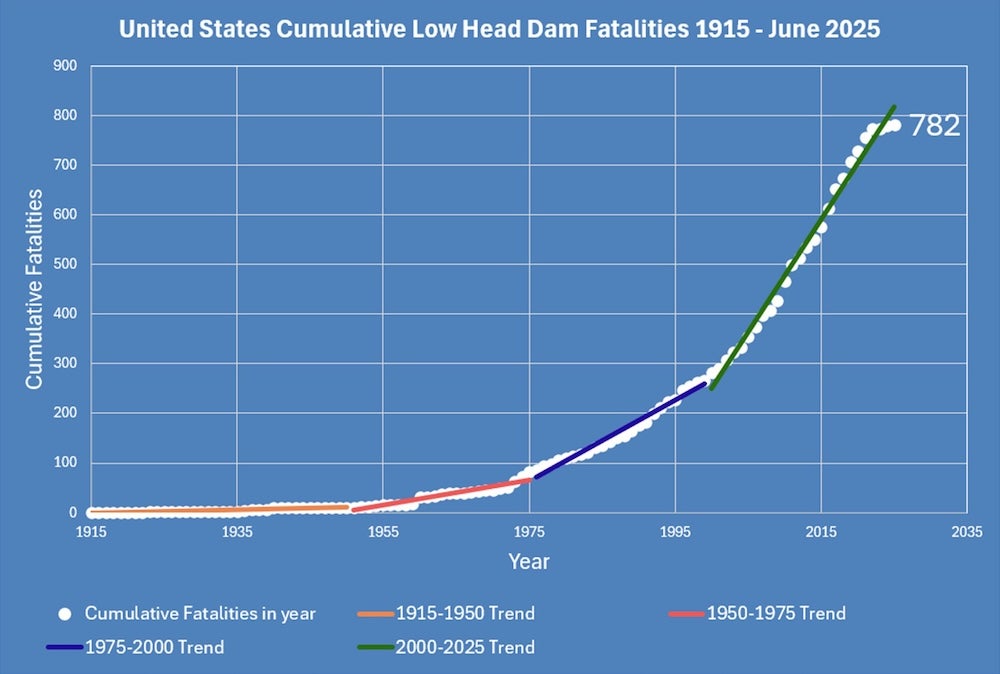
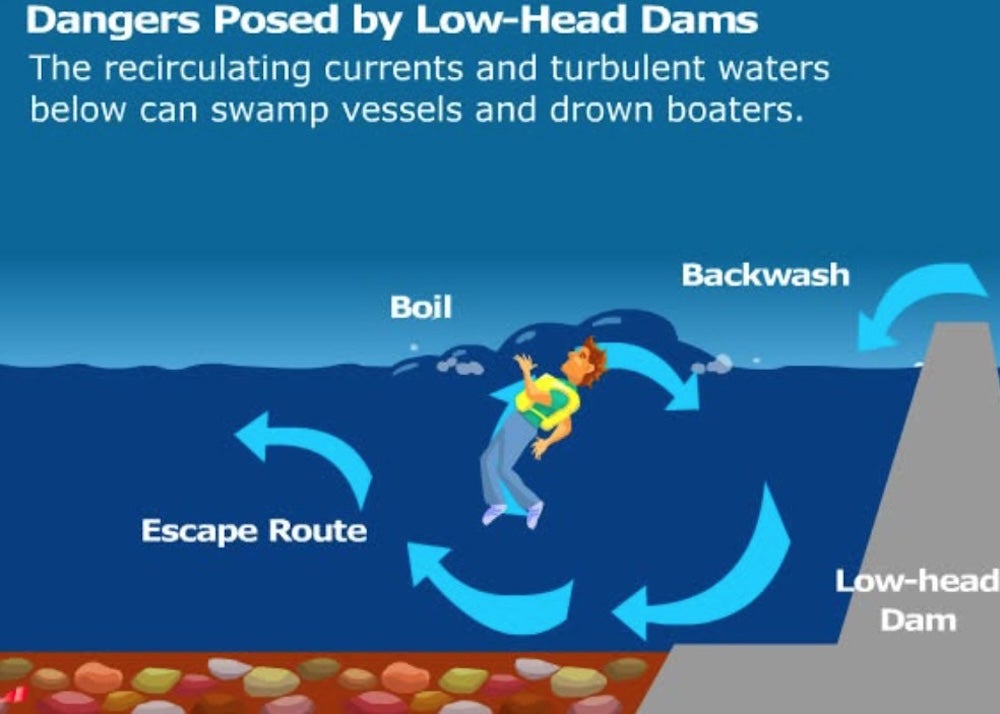
Research by Brigham Young University in Utah identified nearly 800 fatalities at 356 US low head dams over the past three decades – a toll far exceeding the 22 deaths attributed to dam failures since 1985. As ASDSO explains, low head dams can appear harmless while posing a deadly hazard. Water that looks tranquil and inviting can, at moderate to high flows, develop powerful turbulence and recirculating currents that trap people below the structure, earning these dams the description ‘drowning machines’. Even strong swimmers and rescuers equipped with flotation devices have lost their lives in these conditions.
Predictive tools
To help address these risks, the US Department of Homeland Security’s Science and Technology Directorate (S&T) is working with Brigham Young University to develop tools that predict when low head dams become hazardous and support alerts and warnings.
S&T believes a substantial proportion of the country’s 13,500 low head dams may generate dangerous reverse currents. It warns that fatalities are likely to continue without a coordinated effort to identify hazardous structures and educate the public.
According to S&T Programme Manager Norman Speicher, low head dams kill dozens of Americans each year, often recreational users who recognise the danger too late. The research aims to provide a systematic way to predict hazardous conditions at individual dams, enabling communities to issue warnings, restrict river
access and alert emergency responders.
“It’s about turning scattered tragedy data into prevention tools that save lives,” Speicher said.
S&T says there are currently no systematic procedures for predicting the conditions under which a hydraulic jump becomes submerged, creating dangerous reverse currents below a low head dam. Without reliable prediction tools and a means of warning river users, recreational users remain at risk of drowning, while first responders face potentially life-threatening conditions during swift water rescues.
The research forms part of a broader effort to improve low head dam safety. S&T’s work with Brigham Young University addresses requirements set by the Federal Emergency Management Agency and the Cybersecurity and Infrastructure Security Agency. Meanwhile, the US Army Corps of Engineers has added the low head dam inventory to its National Inventory of Dams, helping make information about these structures more accessible to water resources professionals.
Public awareness is another strand of this work. The Association of State Dam Safety Officials has launched a million-dollar advertising campaign, called Big Foot Says, to highlight the dangers of low head dams. Using a friendly version of the Big Foot character, the campaign aims to reach people of all ages and levels of recreational experience with water safety messages.
Social influence
Cookson and Valero’s research highlights how everyday activities and recreation can bring people into dangerous contact with dams. Fatal incidents affected people of all ages and involved both accidental encounters and deliberate interaction with the structures.
In the UK, alcohol was implicated in fewer than 13.5% of the accidents examined, while swimming accounted for only 15% of drownings. Walking or running beside waterways accounted for 37% of fatalities, underlining the risks associated with routine activities where hazards may go unrecognised.
Drowning is not the only danger. Jumping, falling or colliding with a structure can also cause fatal injuries. Alongside swimming, kayaking and fishing, activities such as riding or driving on dam structures, or descending spillways in inflatable rings, may be encouraged by content shared on social media.
More than 500 injuries were recorded at US dams between 1998 and 2018, with 87% of incidents occurring in the final six years. Cookson and Valero note that this concentration coincided with rapid growth in mobile social media use between 2011 and 2018, although the overlap alone does not establish a causal link.
ASDSO recommends that dam owners and regulators periodically check online sources, including Google, Facebook, Instagram and TripAdvisor, for location-tagged posts. These can reveal how people use dam sites, helping operators identify unsafe practices and develop measures to address them.
Cookson and Valero also suggest that emerging technologies could create new ways for people to encounter hazards at hydraulic structures that are difficult to anticipate.
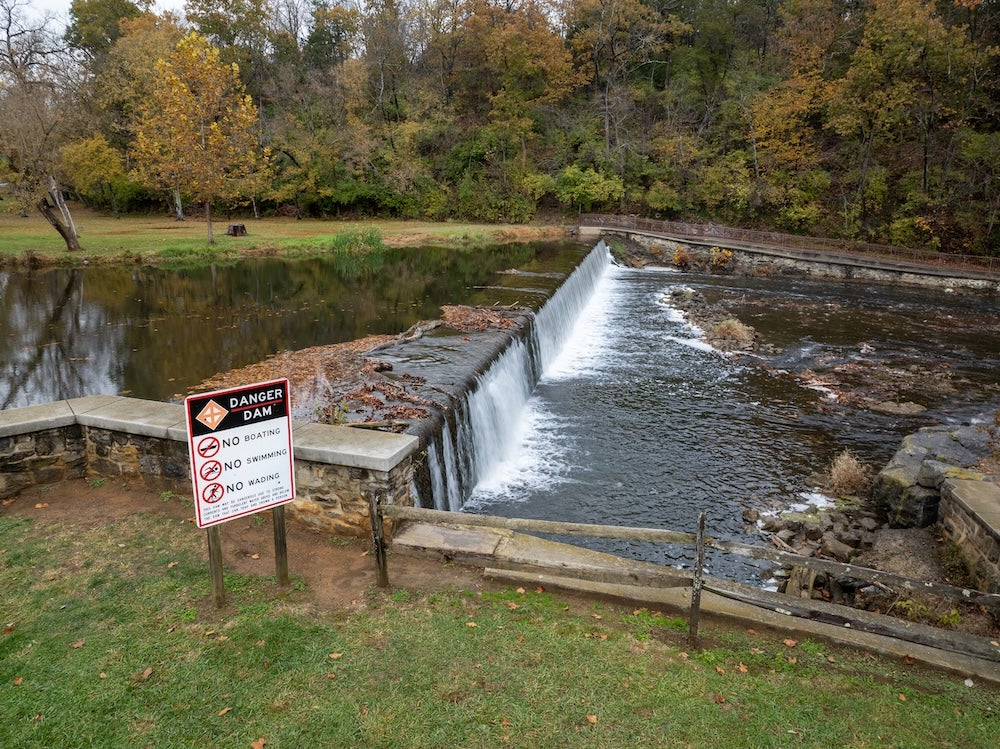
Their research found that public safety measures at various US dams were absent or inadequate, even at sites with repeated injuries or fatalities. With 90% of recreational users who deliberately visited dam locations gaining access by land, the lack of warning signs, fencing or access restrictions at many sites left people able to approach structures without necessarily understanding the potentially fatal risks.
Targeted efforts
Rehabilitation of low head dams can provide opportunities to improve public safety alongside other upgrades. At South Conewago Creek Dam in Pennsylvania, US, fish passage improvements also addressed a hazardous hydraulic feature: a full-width rock ramp replaced the area of recirculating flow known as the roller region.
Warning signs and education cannot eliminate physical hazards, but they can help people recognise and avoid dangerous situations. In Colorado, radio advertisements broadcast regularly during the outdoor recreation season helped raise awareness and reduce drowning incidents.
Indiana supplemented its awareness campaigns with another relatively low-cost measure: installing rescue flotation devices beside low head dams. This equipment can help keep a person afloat, extending the time available for emergency responders to reach the scene and attempt a rescue.
Global concern
Public safety at dams is a global concern. In Australia, analysis has identified dams, ponds and irrigation channels as significant drowning hazards. An average of 168 people drowned each year in regional and remote areas between 1 July 2002 and 30 June 2021, accounting for 60% of the country’s drowning deaths over that period.
According to the Royal Life Saving Society, these findings highlight the risks facing people who live and work on properties with dams, rivers and other water bodies. Rural properties present hazards for all ages, from young children to farm employees and older farmers. Work involving irrigation, aquaculture and livestock can increase exposure to water, with work-related incidents accounting for 32% of dam drowning deaths.
Young children are another particularly vulnerable group. The size and remoteness of rural properties can compound the risks, while fencing off large bodies of water is not always feasible. The society says people often recognise flood dangers and take precautions when waters peak, yet overlook the everyday risks. Low-cost or no-cost measures to reduce drowning risks on farms include:
- Creating safe play areas for children on rural properties which have access to inland waterways, especially dams on private/residential properties.
- Ensuring water storage such as wells and tanks are securely covered.
- Never undertaking work near a dam or river alone. If something unexpected happens having someone who can respond straight away can literally be the difference between life and death.
- Refresh CPR training, particularly in remote locations.
- Install clear safety signage.
- Talk to guests, or workers visiting properties about where dams and rivers are located.
Deadliest hotspots
Around 1500 people drown in South Africa each year. The country’s deadliest drowning hotspots are its rivers, dams and other inland waterways, where lifeguards and designated swimming areas are rarely available..
According to the National Sea Rescue Institute, the calm appearance of dam water can create a false sense of safety. Steep embankments, cold water, thick mud, submerged obstacles and sudden drop-offs can quickly overwhelm even experienced swimmers.
Alcohol consumption and failure to wear life jackets during activities such as fishing and boating also contribute to drowning incidents. Children face risks in rivers, dams, swimming pools and other water bodies close to home.
To help address these risks, people from disadvantaged communities have been invited to take part in learn-to-swim programmes. These teach essential swimming and water safety skills, aiming to reduce drowning risks and build confidence in the water.
Innovative campaign
Morocco’s long-running dam construction programme aims to strengthen water security, but its reservoirs also attract people seeking relief from the summer heat. As swimming increases, so does the risk of drowning, prompting an awareness campaign to help communities recognise the dangers and respond to emergencies.
The Bouregreg and Chaouia Hydraulic Basin Agency (ABHBC), which manages water resources in a densely populated region of western Morocco, organised a travelling awareness caravan in partnership with educational and civic organisations, the national gendarmerie, civil protection services and local authorities.
Under the slogan “Vacations are for relaxing, not for tragedies”, the first caravan visited villages and markets near the El Malleh and Sidi Mohammed Ben Abdellah dams. At each stop, teams broadcast safety messages through loudspeakers, explaining the hazards of reservoir swimming and reminding residents of existing prohibitions. They also demonstrated rescue and resuscitation techniques, distributed leaflets and displayed posters along the route. No drownings were reported at either dam that year.
Following this encouraging outcome, the campaign placed greater emphasis on schools. It reached more than 15,000 students directly, with an estimated wider reach of around 75,000 people as pupils shared the advice with their families. Partnerships with national radio and television stations extended its reach further, while educational cartoons helped engage younger audiences.
ABHBC reported very positive community feedback, with residents gaining a better understanding of the dangers of deep reservoir water. Rescue and resuscitation demonstrations were particularly well received. The agency is now considering running the campaign annually and extending it to more locations.
Public safety in Poland
Water safety is also a growing concern in Poland. Police data for 2020–2024 show that drowning remains a significant public health problem, with most deaths occurring in lakes and rivers. Poland’s drowning rate per 100,000 people is relatively high compared with Western European countries. Similar challenges affect other Central and Eastern European countries, including alcohol-related incidents and drownings at locations without lifeguard supervision.
Addressing these risks requires coordinated action across rescue services, prevention and public education. The study concludes that Poland’s continuing toll of accidents and drownings demands sustained efforts in all three areas. It also stresses that even a well-organised rescue system cannot fully offset the risks created by unsafe behaviour in and around water.
Technical package to protect
The World Health Organization (WHO) is launching a new technical package to help governments and communities reduce drowning deaths.
Nearly 300,000 people drown worldwide each year, and climate change is increasing the risks. More frequent floods, storms and heatwaves can heighten exposure to dangerous conditions, with research showing a strong association between high temperatures and drowning. In the UK, one study found that drowning deaths increased by 7.2% for every 1°C rise in temperature. The risk was also nearly five times higher on days above 25°C than on days below 10°C.
WHO’s PROTECT package provides policymakers with practical, evidence-informed recommendations to strengthen water safety. Its strategies include:
- Physical infrastructure that promotes safe interaction with water.
- Rescue and resuscitation capability for bystanders and professional responders.
- Occupational safety for work around water.
- Transport safety standards for water travel.
- Education in basic swimming and water safety.
- Threat preparedness for floods and other multi hazard emergencies.
“Every drowning is a tragedy, and most are preventable,” said Dr Tedros Adhanom Ghebreyesus, WHO Director-General. “Drowning prevention isn’t the job of one ministry; it belongs to everyone, and the lives it saves are the reward.”
ASDSO advice
In the US, ASDSO highlights dam owners’ responsibility for safety at their structures and their potential liability for failures and incidents. Owners, engineers and regulators should work together to identify hazards and manage risks, including:
- Swift and turbulent currents near intakes and spillways.
- Changes in flows and water levels associated with the operation of gates.
- Falls from slippery surfaces and heights.
- Accidental contact with the mechanical and electrical components of the facility.
Safety information needs to reach everyone who may encounter these hazards, from walkers, runners, cyclists and campers to anglers, swimmers, boaters and people using frozen waterways.
ASDSO identifies four key areas for managing public safety risks:.
- Maintenance: Make sure all structures are inspected at least annually. Vandalism, animal activity, plant growth, and natural erosion all have the capacity to damage or destroy dam structures and signage, creating potential hazards on site.
- Installation of Safety Measures: Installing appropriate signage, safety buoys and booms, and portage paths are all important ways to keep recreators and the general public away from hazard zones near dams.
- Public Education: Communicate with local first responders, recreation outfits, schools, and other relevant bodies to inform them of the location of dams and other hazards, encourage safe practices on waterways, and to develop standard operating procedures to follow in the event of an incident.
- Public Safety Reporting: Record incidents that occur at dams so as to identify gaps, failures, and flaws in existing safety protocols and procedures. Past reports sourced from news archives or dam safety archives can also provide opportunities for corrections that can minimize unnecessary risks to the public.
Reduce risks
Cookson and Valero conclude with a call for everyone involved in the design, safety, inspection and operation of water infrastructure to help raise awareness and reduce hazards. They extend that call to people using lakes, rivers, canals and reservoirs for recreation, and to communities affected by recent fatalities.
The authors hope wider involvement will help reduce injuries and deaths associated with public interaction with hydraulic structures, particularly unintended encounters.
Their ambition is to achieve improvements in public safety comparable to those made in preventing dam failures and incidents under extreme flow conditions.
References
A Risk-Informed Framework for Public Safety Around Dams by Tareq Salloum and Ernest Forman. CivilEng 2026, 7, 5
From Floods to Social Risks: Human-Centered Design for Safer Water Infrastructure by Brian M. Crookston, Daniel Valero. Water Resources Management (2026) 40:393
www.dhs.gov/science-and-technology/news/2025/11/20/feature-article-reducing-fatalities-low-head-dams
www.emro.who.int/world-drowning-prevention-day/world-drowning-prevention-day-2025-english/
www.who.int/news/item/23-07-2026-who-launches-seven-strategies-to-prevent-drowning
www.bbc.co.uk/news/articles/cpd7g0j64l7o
Ensuring The Safety of People Staying in and Around Bodies of Water by Paweł Piniewicz WSB University. Poland. ORCID: 0009-0008-8059-131X.


