

The history of dams in Mexico dates back to pre-Hispanic times. One of the earliest known hydraulic works is the Purrón Dam, located in the Tehuacán Valley in the state of Puebla, built roughly between 750 and 500 BCE.
This structure, made primarily of earth and stone, was designed to capture seasonal runoff and support early agricultural irrigation systems in an arid region. In the modern era, dam development accelerated in the early twentieth century with projects such as the Necaxa hydroelectric system in Puebla, completed around 1905, which became the first major hydropower scheme supplying electricity to Mexico City. Throughout the mid-twentieth century, Mexico experienced significant expansion in dam construction, particularly large multipurpose reservoirs for irrigation, flood control, water supply, and hydroelectric generation, including major projects on rivers such as the Grijalva, Balsas and Santiago.
Mexico has a large and diverse dam infrastructure. The National Water Commission’s (Conagua) inventories indicate that the country has over 6687 dams and reservoirs distributed across its river basins, and according to ICOLD criteria there are 1026 large dams. The majority of these structures were built during the twentieth century to support irrigation and water supply programmes, particularly in semi-arid agricultural regions in the north of Mexico.
In terms of structural typology, the most common dams are embankment dams, including earthfill and rockfill dams, which represent more than half of the national inventory. Concrete and masonry gravity dams form another important group, particularly in hydropower projects and water supply. Other types such as arch dams exist but are less common. Many reservoirs are multipurpose and support combinations of irrigation, flood control, municipal water supply, and hydroelectric generation.
Recent challenges for Mexico’s dam sector
In recent years, several challenges have become increasingly important for Mexico’s dam sector. One major issue is hydroclimatic variability and prolonged drought, which has placed pressure on reservoir systems and water supply reliability in different regions of the country.
Sedimentation is another widespread concern because it gradually reduces storage capacity, particularly in reservoirs located in basins with high erosion rates. Additionally, many dams built during the large infrastructure programmes of the mid-twentieth century are now several decades old, making ageing infrastructure and dam safety management important priorities. These factors have increased the importance of monitoring programmes, periodic safety evaluations, rehabilitation works, and improved watershed management practices. Budget concerns about maintaining infrastructure is also a big challenge in Mexico.
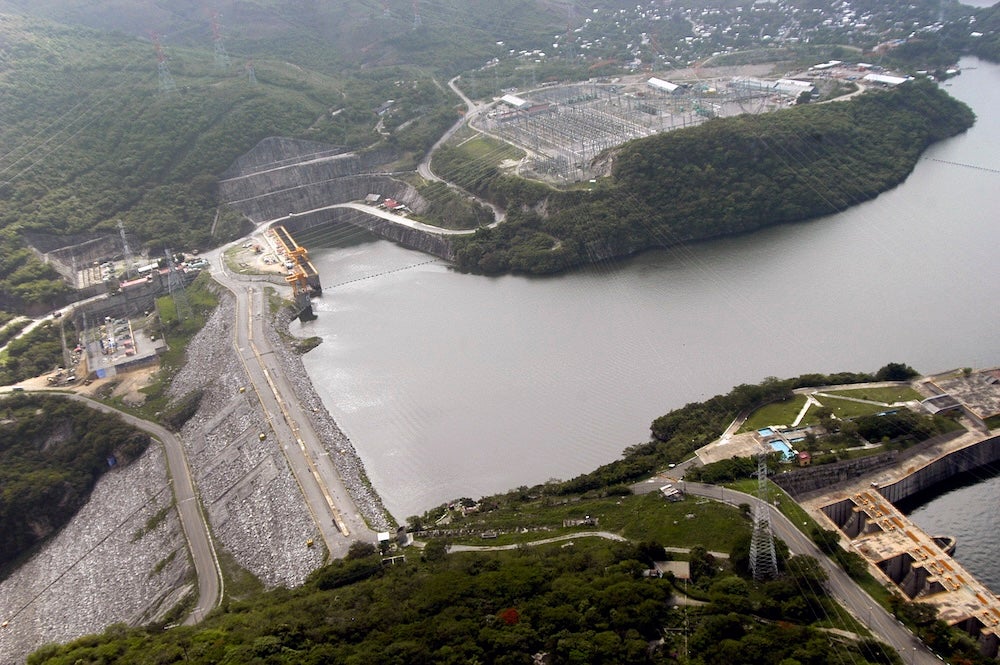
Dam construction
Dam construction and related hydraulic infrastructure development continue in Mexico, although new projects are generally fewer and often subject to greater environmental and social scrutiny than in previous decades. Recent projects have focused primarily on water supply reliability, irrigation, and regional development, particularly in areas experiencing growing urban demand and water scarcity. Examples include the Tunal II Dam in Durango, which is being developed to strengthen the long-term water supply for the city of Durango, and the Margarita Maza Dam in Oaxaca, intended to improve water availability and regional hydraulic management. In northern Mexico, the Milpillas Dam project in Zacatecas has been proposed as a strategic water source to supply urban and agricultural demand in the central region of the state.
Additional initiatives include the development of a system of dams in the Sonora River basin to improve water supply security for the city of Hermosillo, as well as the El Novillo Dam project in Baja California Sur, planned to support water supply for the city of La Paz. Alongside these new projects, a significant portion of investment in the sector is directed toward the rehabilitation, modernisation, and safety upgrading of existing dams, reflecting the need to maintain ageing infrastructure while adapting reservoir operations to changing hydrological conditions.
A critical role
The dam sector in Mexico continues to play a critical role nationally. Particularly because large areas of the country experience significant climatic variability and depend heavily on stored water for agriculture and urban supply. These vast experiences have held Mexican engineers to design and build dams in Latin America with excellent results. From a technical perspective, the industry increasingly emphasises risk-based dam safety management, improved monitoring technologies, and integrated basin planning. In recent years, there has also been greater recognition of the need to balance hydraulic infrastructure development with environmental considerations and community engagement. These factors are shaping how dam projects are planned, operated, and rehabilitated.
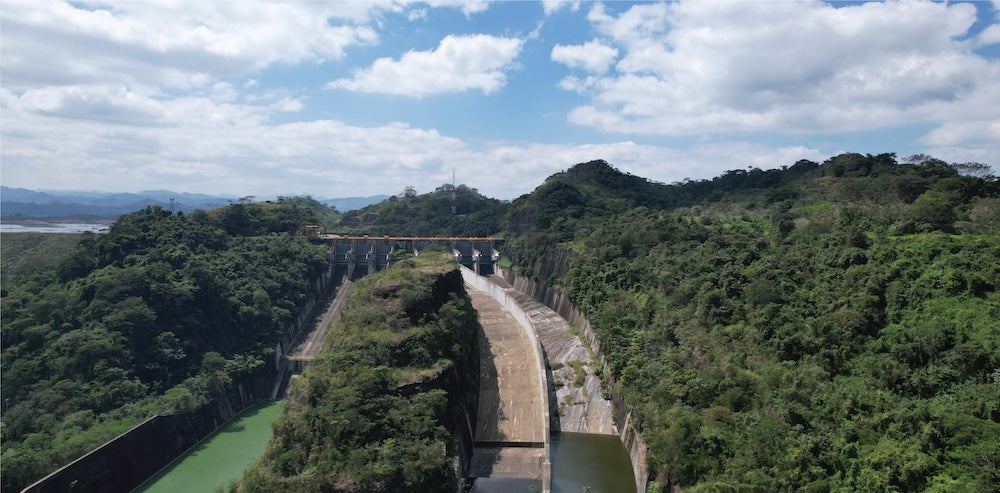
Invitation to ICOLD 2026
The Mexican Committe of ICOLD is proud to host ICOLD 2026 which will be held from the 22nd to 29th May 2026 in the beautiful city of Guadalajara, capital of the western Mexican state of Jalisco.
It is a great honour for us invite esteemed delegates, specialists, and accompanying persons from the National Committees of 107 member countries to the 94th Annual Meeting and Symposium. ICOLD Mexico 2026 will be the global epicentre of knowledge in large dams. Get ready for a unique experience at the heart of global hydraulic engineering.