

In August 2026, Cwm Dyli hydropower station in Snowdonia (Eryri) marks 120 years of continuous electricity generation, underlining the longevity of hydropower infrastructure and the continuing operational role of legacy hydro assets in the UK energy system.
Owned and operated by RWE, the 10MW plant remains one of the oldest operational hydropower stations in the UK. Located on the slopes of Snowdon and supplied by the natural lake Llyn Llydaw, the station has benefited from a remarkably simple original design that continues to shape its operation more than a century later. The station’s long operational life also follows the completion of a major refurbishment programme focused on the pipeline support structures. The large pipeline plinth refurbishment project was completed across 2022 and 2023 and highlighted both the resilience of the infrastructure and the engineering challenges involved in maintaining remote hydro assets in difficult terrain.
Keith Moorcroft, RWE’s UK Hydro Cluster Manager, says the project demonstrates the long-term value of getting the fundamentals right in hydro development.
“The civil engineering needs to be built to last – build it once and build it right,” he explains. “The mechanical and electrical plant is much easier to modify and optimise as technology evolves.”
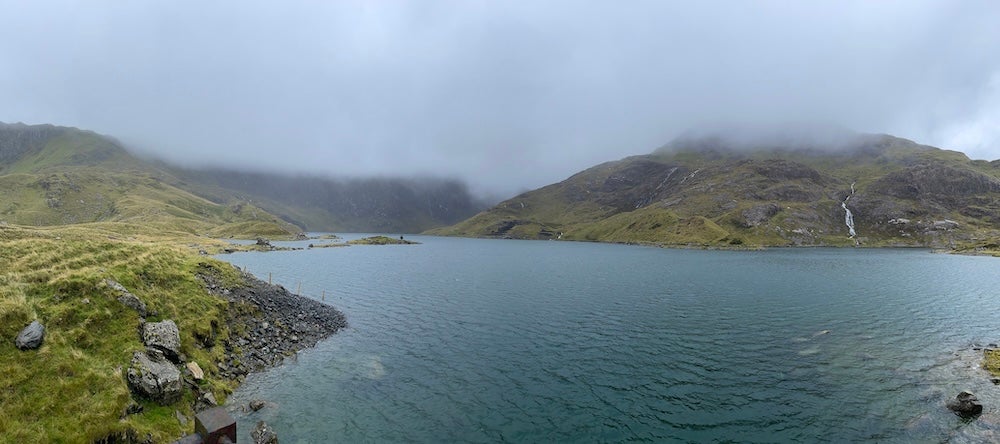
Cwm Dyli’s original designers made extensive use of the surrounding geography. The catchment area on the slopes of Snowdon is relatively small at just 4km2, but the site receives approximately 3,700mm of rainfall annually, more than three times the UK average. Water is collected and stored naturally in Llyn Llydaw, avoiding the need for a major dam structure. That decision continues to provide operational and maintenance advantages today. “Making use of a natural lake also gave Cwm Dyli a great advantage because there is no dam requiring expensive maintenance,” says Moorcroft.
The scheme operates with a gross head of 342m, among the highest in the UK, enabling the station to generate 10MW for up to five days when reservoir levels are full. Water travels down a single 1.2m diameter pipeline at a rate of 3.5m3/sec before reaching the turbine.
The original layout has remained largely unchanged. The powerhouse and water intake structures are both original features dating back to 1906. Although the generating equipment has been modernised over time, the broader design philosophy remains intact.
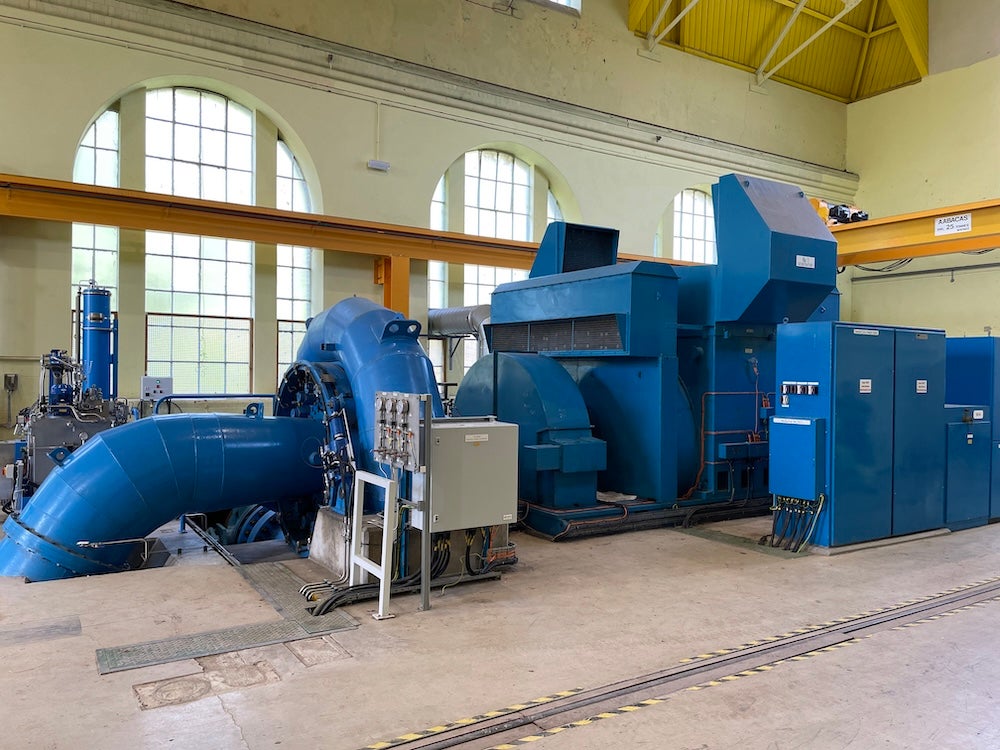
The station’s most significant modernisation came in 1989, when four Pelton wheel units were replaced with a single 10MW Francis turbine manufactured by Boving, coupled to a Bruce Peebles six-pole air-cooled generator operating at 1,000rpm. The Boving machine was replaced in 2003 with a unit of similar size manufactured by ALSTOM. Today, the plant is remotely monitored and controlled from RWE’s hydro operations base at Dolgarrog power station near Conwy, alongside the company’s wider UK hydro fleet.
“All 24 of our UK hydropower stations are monitored and controlled through our Supervisory Control and Data Acquisition system,” Moorcroft says.
The integration of modern digital systems into a 120-year-old hydropower asset reflects the wider evolution of the sector. While the core civil structures at Cwm Dyli have remained largely unchanged, operational practices have adapted significantly in recent decades, particularly around monitoring, control and maintenance planning. Remote operation allows the station to be integrated into a wider fleet strategy while reducing the need for permanent staffing at isolated locations.
Maintaining infrastructure in difficult terrain
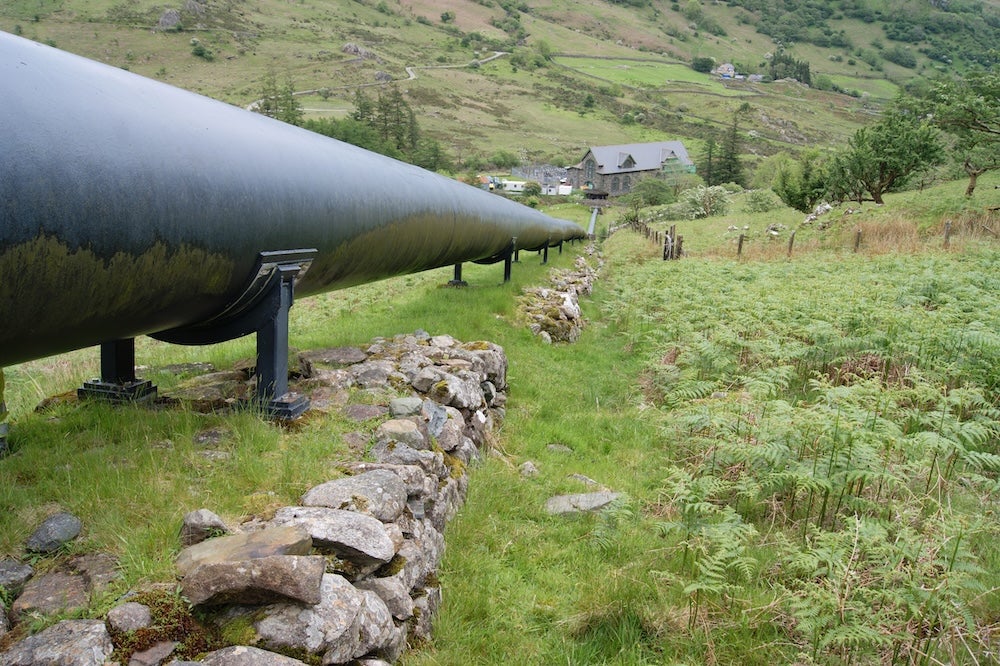
While the station itself has proven highly reliable, the recent refurbishment programme focused on one of the project’s most challenging physical elements: the steep mountainside pipeline installed in 1988.
The maintenance work centred on the concrete plinths supporting the penstock. Over time, the sliding surfaces between the pipeline and supports had begun to stick, requiring intervention to restore movement and reduce stress on the structure.
Access was a major challenge. In places, the pipeline crosses gradients as steep as one in four, creating difficult conditions for workers and equipment.
“The pipeline runs down a steep mountainside and the plinths which support it are difficult to reach,” Moorcroft explains. “To refurbish them, materials were delivered by helicopter and welfare facilities for the craftsmen were installed on the slopes.”
The work was phased over two years. Five supports were initially repaired as a pilot project to validate the repair method before the full programme was rolled out. Of the remaining supports, 98 were completed during the first summer campaign, with the balance completed the following year.
The logistical complexity maintenance work requires extensive planning. Maintenance teams operate from Dolgarrog, approximately an hour away from the site, meaning work preparation and material management were critical to avoid delays and unnecessary journeys.
“For heavier maintenance, we establish welfare facilities and offices near the powerhouse for the contractors, and materials are delivered directly to where they are needed on the mountainside by helicopter,” says Moorcroft.
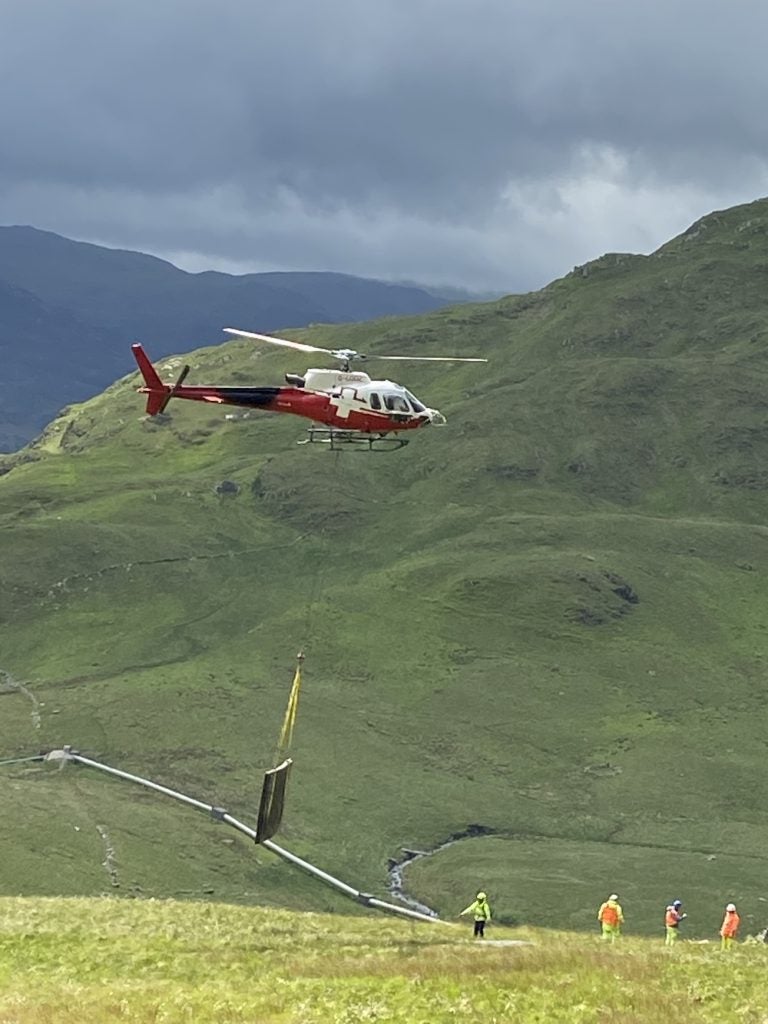
The site’s remote location also influences how outages and maintenance windows are scheduled. Work must account not only for weather conditions in Snowdonia but also for the practical limitations of moving personnel, lifting equipment and materials onto steep terrain. Detailed planning therefore becomes central to both project efficiency and workforce safety.
Despite the challenges, the refurbishment programme was completed without significant technical issues. The project also reflected a broader safety improvement programme across RWE’s UK hydro operations.
“We used to average about three first aid cases per year, but in the last two years we have achieved zero harm in our UK hydro fleet,” Moorcroft says.
According to Moorcroft, that improvement has been driven by a stronger emphasis on planning, risk assessment and contractor engagement.
“Assessing risks at the planning stage and at the last minute, before work begins, have been powerful levers in improving safety performance,” he says.
The company also focused heavily on contractor integration during the project, combining formal onboarding procedures with regular site engagement to reinforce expectations around safety and operational standards.
A continuing role in grid flexibility
Although relatively small by modern standards, Cwm Dyli continues to play an important role within RWE’s wider flexible generation portfolio. Unlike intermittent renewable generation sources, the station can store water and dispatch power when required, allowing it to support morning and evening demand peaks. The asset operates alongside RWE’s gas and biomass fleet and is coordinated through a central commercial optimisation team.
“It’s part of our firm, flexible generation fleet, alongside our flexible gas and biomass power stations,” Moorcroft says.
That flexibility is becoming increasingly valuable as the UK grid incorporates larger volumes of wind and solar generation. Hydropower’s contribution extends beyond dispatchable renewable generation alone. Large hydro generators also provide system inertia, helping stabilise the grid during short-term supply and demand imbalances.
“These heavy, rugged generators also make an important contribution of inertia to the energy network, helping the system to ride out momentary imbalances between supply and demand,” Moorcroft explains.
For operators managing legacy hydro assets, Cwm Dyli also demonstrates the long-term economics of hydropower. While periodic refurbishment of major civil infrastructure can be expensive and technically demanding, the station’s ongoing operating and maintenance costs remain comparatively low.
“Hydro is a very cost-effective generation technology with low ongoing O&M costs,” Moorcroft says. “Work on large civil infrastructure is very different though. You need to keep a good look-out for problems and carefully plan how to tackle them.”
The station’s longevity also reflects the advantages of straightforward engineering concepts. The combination of a natural reservoir, high head and relatively compact layout has allowed the scheme to remain operationally relevant despite major changes in the wider electricity system over the past century.
As electricity systems move toward higher levels of renewable penetration, older hydropower stations such as Cwm Dyli are increasingly valued not simply for energy production, but for their ability to provide responsive balancing services. Flexible hydro assets can ramp generation rapidly in response to changes in grid demand, helping compensate for fluctuations in wind and solar output. This operational flexibility is becoming a more significant consideration for network operators as thermal generation capacity continues to decline.
Moorcroft believes that simplicity and durability remain important lessons for modern hydro development. “The original designers made the most of the local geography,” he says. That approach continues to pay dividends 120 years later.
Cwm Dyli: key facts
• Commissioned in 1906, making it one of the oldest operational hydropower stations in the UK.
• Uses water from the natural lake Llyn Llydaw on the slopes of Snowdon.
• Operates with a 342m head and a generating capacity of 10MW.
• The powerhouse and water intake structures are both original.
• Became the first power station in the UK to generate alternating current.
• The station’s pipeline featured as the exterior of the oil pipeline in the James Bond film The World Is Not Enough.
• In 1989, four Pelton wheel units were replaced with a single Francis turbine and Bruce Peebles generator.
• The site receives around 3,700mm of annual rainfall, compared with a UK average of about 1,100mm.


