
For hydropower engineers, dams are usually discussed in terms of head, cavitation, spillway capacity and turbine efficiency. In film and television, though, the same structures become symbols of power, danger, secrecy and human ambition. Directors are irresistibly drawn to the sheer visual authority of hydro infrastructure: towering concrete walls, echoing valve halls, penstocks clinging to mountainsides and cavernous turbine chambers already look like purpose-built movie sets.
That fascination has produced a surprising crossover between civil engineering and popular culture. Around the world, working hydroelectric facilities have quietly appeared in science fiction films, spy thrillers and television dramas — often without audiences realising they are looking at operational energy infrastructure.
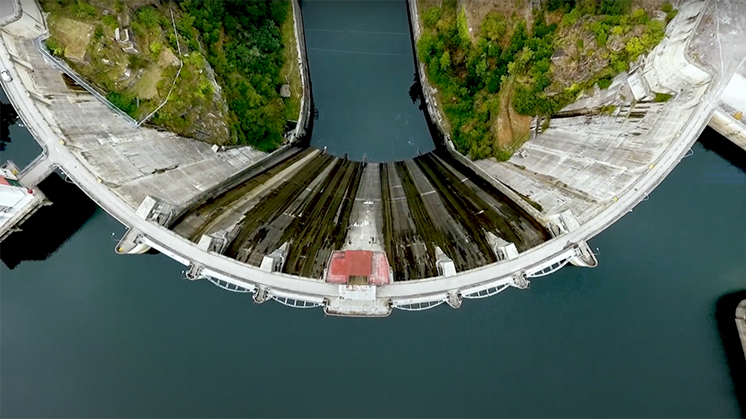
One of the clearest examples is the Aldeadávila hydroelectric complex in western Spain. The massive arch-gravity dam on the River Douro is one of the flagship assets of Spain’s hydroelectric system and forms part of the Aldeadávila Falls scheme operated by Iberdrola. Its dramatic canyon setting and monumental concrete geometry made it an ideal backdrop for Terminator: Dark Fate (the sixth Terminator film). Filming took place at the dam in 2018, with local reporting noting that even staff from the hydroelectric power station appeared as extras during production.
Aldeadávila’s appeal to filmmakers is easy to understand from an engineering perspective. Hydropower stations naturally possess qualities production designers spend fortunes trying to recreate artificially: restricted-access tunnels, heavy industrial machinery, immense underground caverns and dramatic elevation changes. In cinematic language, these spaces instantly communicate tension and scale. Engineers see pressure shafts and surge chambers; directors see the setting for humanity’s final confrontation with rogue AI.
The dam’s growing reputation as a filming location has continued beyond the Terminator franchise. Iberdrola itself has described Aldeadávila as one of Spain’s most sought-after industrial filming sites, later hosting sequences for Fast X.
Why spy films love hydropower infrastructure
Hydropower infrastructure has long played particularly well in spy films, where isolation and strategic importance are central themes. Few franchises understand this better than James Bond. In The World Is Not Enough (1999), the rugged slopes of Snowdonia in Wales doubled for a pipeline route in Kazakhstan. The exterior of the oil pipeline was filmed at Cwm Dyli, home to the famous hydroelectric pipeline descending from Llyn Llydaw toward the Cwm Dyli power station beneath Yr Wyddfa (Snowdon). Multiple film-location sources confirm the site’s use in the Bond production.
For engineers familiar with Cwm Dyli, the choice was inspired. The steeply descending steel pipeline already possesses the visual drama of fictional energy infrastructure. Constructed in the early twentieth century, the scheme is a classic example of high-head hydro design in mountainous terrain. To audiences, however, the pipeline simply looked like the kind of strategic energy asset a Bond villain might sabotage.
The Bond franchise has repeatedly returned to large-scale infrastructure because it instantly conveys geopolitical significance. Pipelines, dams and power stations are visual shorthand for national capability and vulnerability. The audience may not understand Francis turbine efficiency curves, but everyone instinctively understands that disrupting a giant energy installation would have enormous consequences.
Dams as symbols of power – and peril
Hydroelectric dams also carry symbolic weight beyond action cinema. In disaster films and thrillers, they often represent humanity’s uneasy relationship with nature and technology. The gigantic scale of dams makes them perfect metaphors for control, and for the fear of losing it. That tension explains why directors repeatedly use spillways, reservoirs and powerhouse interiors during climactic scenes.
The Swiss Contra Dam, better known to movie fans as the Verzasca Dam, remains one of the most famous examples. Supporting the 105MW Verzasca hydroelectric power station, the dam achieved cinematic immortality after appearing in the opening sequence of GoldenEye (1995), where Pierce Brosnan’s Bond performs the iconic bungee jump from the crest. The scene transformed a piece of hydro infrastructure into a global tourist attraction almost overnight.
Few hydroelectric landmarks, however, have achieved the cinematic status of Hoover Dam. Straddling the Arizona–Nevada border and supplying power to millions across the American Southwest, the dam has become one of the most recognisable pieces of energy infrastructure ever put on screen. Its immense scale, Art Deco detailing and dramatic desert setting have made it a natural choice for directors looking to convey technological power, national importance or impending catastrophe.
In recent decades, Hoover Dam has appeared in major productions including Transformers (2007), where the structure secretly houses Megatron beneath its powerhouse complex, and San Andreas (2015), in which a massive earthquake destroys part of the dam during one of the film’s opening disaster sequences.
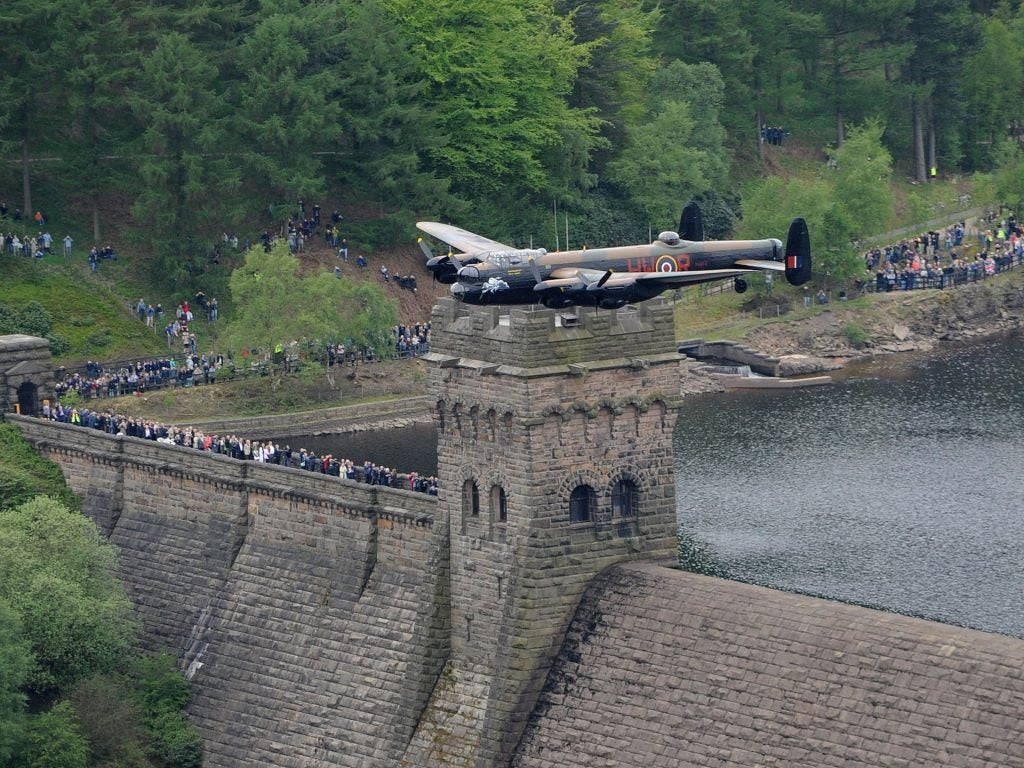
British cinema has its own famous dam connection through The Dam Busters (1955). Although the film dramatised RAF Bomber Command’s attack on Germany’s Ruhr dams during the Second World War, the production drew on the real wartime association between Derbyshire’s Derwent Dam and Operation Chastise. RAF 617 Squadron used Derwent Reservoir for low-level training runs while preparing for the famous bouncing bomb raids, taking advantage of the valley’s resemblance to the German targets. The dam’s role in both military and cinematic history has since made it an enduring landmark for aviation and engineering enthusiasts alike.
What filmmakers understand instinctively is something engineers know professionally: hydroelectric infrastructure creates emotional reactions because it is fundamentally monumental. Dams alter landscapes at continental scale. Underground caverns house machinery measured not in kilograms but in hundreds of tonnes. Penstocks carve geometric lines through mountainsides. Even the acoustics of a powerhouse – the low-frequency hum of generators and the roar of flowing water – create atmosphere impossible to fake convincingly on a soundstage.
Television productions have increasingly exploited this industrial aesthetic as well. Across Europe, former and operational power stations have become popular settings for dystopian dramas and science-fiction series because their control rooms and turbine halls already resemble imagined futures.
There is also an irony in the cinematic use of hydropower sites. Hydroelectric stations were originally designed as symbols of progress and national confidence. Early twentieth-century hydro projects were celebrated in documentaries and newsreels as proof of technological mastery and economic modernity. Academic research into historical hydroelectric films notes that dams have long been used as visual symbols of future ambition and industrial transformation. Modern cinema often reinterprets the same structures more ambiguously — as locations of secrecy, danger or existential threat.
Yet despite their fictional roles, filmmakers usually depend heavily on the real engineering credibility of these locations. Audiences recognise authenticity immediately. Real penstocks weather differently from props. Genuine turbine halls possess a scale CGI still struggles to replicate convincingly. The geometry of spillways and intake towers follows engineering logic that production designers instinctively borrow from.
For hydropower engineers, spotting these facilities on screen can become a kind of professional treasure hunt. A spillway profile, a valve house or the angle of a penstock may reveal the location long before the credits do. What millions of viewers experience as cinematic spectacle, engineers recognise as carefully designed hydraulic infrastructure quietly doing its real job beneath the drama.
And perhaps that is why dams continue to fascinate filmmakers. They are among the few pieces of infrastructure that already feel mythic before the cameras arrive.


