

For years, hydropower operators have faced a central environmental challenge: how to balance the generation of renewable electricity with the protection and restoration of river ecosystems. Now, a major long-term research project on the Inn River in Bavaria and along the German-Austrian border is providing compelling evidence that near-natural fish passes and habitat restoration measures can deliver lasting ecological benefits.
Conducted over ten years in partnership with the Technical University of Munich, the project examined fish habitats along the Inn River between the Nussdorf and Ering-Frauenstein power plants. The scale of the study was significant, with more than 150,000 fish from 45 species recorded across nearly 65km of river habitat. Researchers also analysed fish eggs and larvae to better understand reproduction and long-term ecosystem health.
The findings show that near-natural bypass channels are far more than simple migration routes. Designed to mimic the structure and flow of natural tributaries, these restored habitats are now supporting a rich diversity of aquatic life. Researchers identified almost 38,000 fish from 36 species within the fish passes alone, including protected and endangered species rarely seen in heavily regulated river systems.
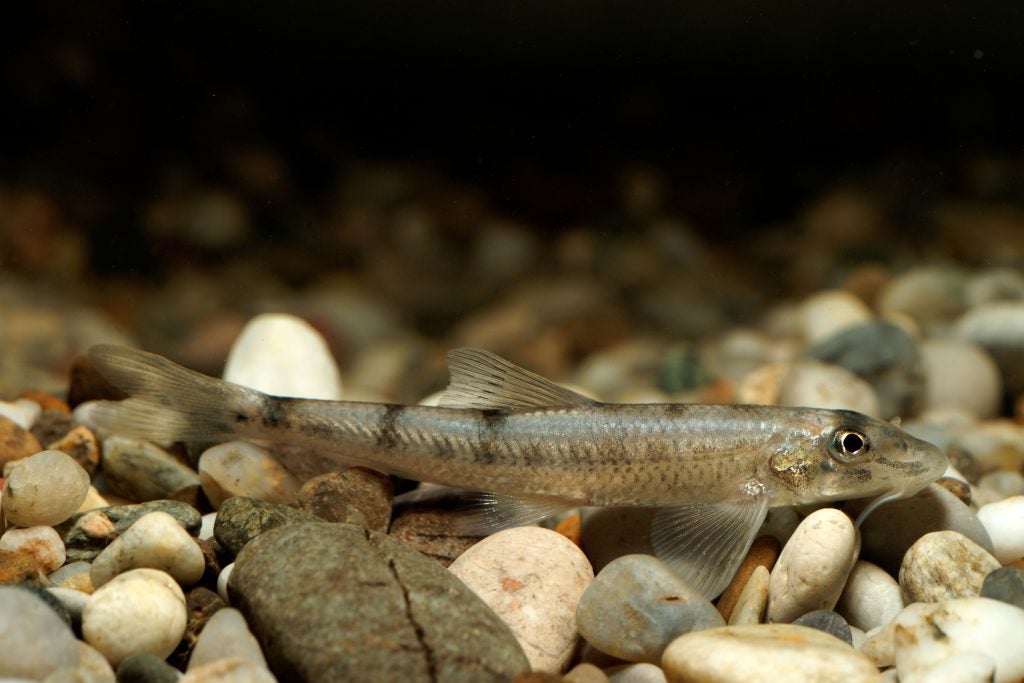
Importantly, the research also confirmed successful natural reproduction of species such as grayling, huchen and nase, with restored spawning grounds providing favourable conditions for eggs and larvae to develop. The mapping of 15 huchen spawning pits in 2026 at the Töging power plant diversion channel offered further evidence that restoration measures are creating functioning ecosystems rather than isolated environmental interventions.
The project highlights a broader shift taking place across the hydropower sector: moving beyond mitigation towards active ecological enhancement. Restoration initiatives now increasingly focus not only on improving fish passage but also on creating resilient river habitats that can support biodiversity over the long term.
Equally important is the recognition that river restoration is not a one-time exercise. The research underlined the need for ongoing management and monitoring to maintain environmental performance in regulated river systems. Scientific findings from the project are already informing practical management guidelines to help ensure restoration measures continue to deliver ecological value for years to come.
As renewable energy systems expand worldwide, projects such as this demonstrate how hydropower operators, scientists and local stakeholders can work together to improve river continuity, strengthen biodiversity and support more sustainable water infrastructure. The Inn River study offers a powerful example of how long-term investment in restoration and research can help rivers — and the species that depend on them — recover and thrive.
Source: VERBUND


